Project Time Period:
Project Location:
Funding Agency: UNWOMEN
EMPOWER II Project
(Building Resilient Communities through Women’s Empowerment)
About EMPOWER II
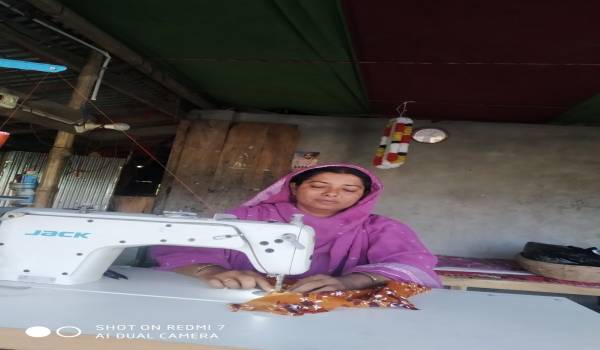
The EMPOWER II Project, implemented by ASDDW, aims to build a resilient society through women’s empowerment in the climate-vulnerable coastal areas of Dacope and Koyra Upazilas of Khulna. The project engages women, youth, adolescent girls, CSO leaders, persons with disabilities and transgender people, with 500 beneficiaries enrolled. It promotes community-led climate adaptation through Local Adaptation Plans of Action (LAPA) and locally appropriate solutions. Key interventions include climate-resilient agriculture, saline-tolerant rice, sunflower and vegetable cultivation, goat rearing, community-based RO systems for safe drinking water, Agri-ASR for irrigation, and livelihood support.
Staff Training on LAPA development: 2 staff were trained up on how to prepare LAPA; MJF organized the Training at CCDB training centre, Gazipur. The participants acquired in depth knowledge on LAPA preparation.
Participatory Local Adaptation Planning:
A key component of EMPOWER II is the development and validation of Local Adaptation Plans of Action (LAPA). ASDDW facilitated village-level Focus Group Discussions (FGDs) to understand the problems faced by climate-affected communities and identify their adaptation priorities. LAPA preparation was undertaken Dacope Upazila, Khulna through FGDs and community meetings. The plans were subsequently validated through an Upazila-level workshop where representatives from government departments—including agriculture, livestock, DPHE, social welfare, women’s affairs, Department of Health and youth development—provided feedback and suggestions. This participatory approach enables communities, particularly women and marginalized groups, to influence decisions concerning climate adaptation and resource management.
Key Activities
EMPOWER II supports a range of community-based climate adaptation and livelihood activities, including:
Climate-Resilient Agriculture and Livelihoods:
Safe Drinking Water through Community-Based RO
Access to safe drinking water is one of the important concerns addressed by EMPOWER II. During the community adaptation planning process, women and adolescent girls identified safe drinking water as a priority and selected RO technology as an adaptation solution. A community-based Reverse Osmosis (RO) system has been established to provide safe drinking water to local people at an affordable price of Tk. 0.75 per litre. The initiative demonstrates ASDDW’s commitment to combining climate adaptation with practical, community-managed solutions that improve access to essential services.
Agri-ASR: Securing Fresh Water for Agriculture:
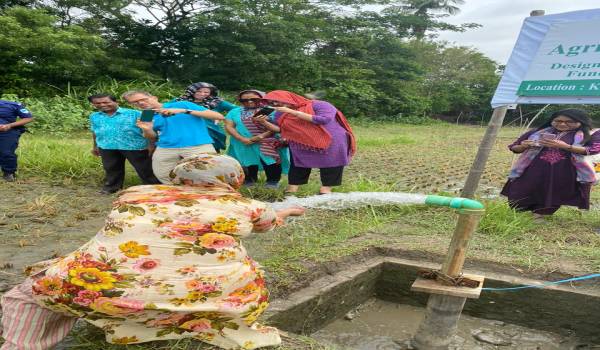
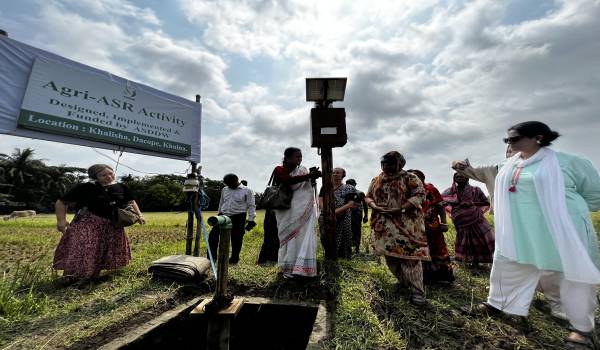
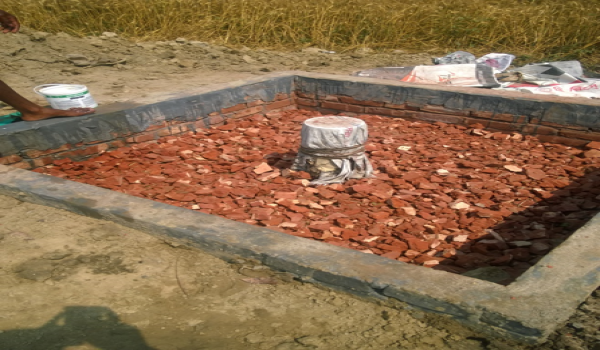
Another important innovation under EMPOWER II is the Agri-ASR (Aquifer Storage and Recovery) system for agricultural water management. The system is designed to recharge rainwater during monsoon and lift the recharged freshwater during dry season for irrigation, helping communities access freshwater in areas where groundwater is saline. Agri-ASR provides an opportunity to improve water availability for agricultural production while supporting climate adaptation in south-west saline-prone coastal zone where both ground and surface water is saline.
Meeting held tiled” Identifying the problems around climate change and the role of government and non-governmental organizations to tackle the problem”.:
A meeting aforementioned title was conducted in Dacope Upazila Head Quarter on 24 June, 2024 under EMPOWER II project. Target groups, representatives of different govt. department, local administration attended the meeting and representative from UN Women and MJF (Manusher Janno Foundation) spoke in the meeting.
Conducting regional GiHA Chapter Meeting: GiHA chapter Khulna has 5 CSOs. It meets quarterly at Khulna city, convened by Lipika Rani Bairagi, Chapter Head, Khulna. The meetings discuss different issues relating to DRR, climate change and different programs implemented and the Chapter members. It also reviews progress made by the CSOs relating to EMPOWER II program activities.
Attending at CoP in Dhaka: The Community Practice (CoP) Network Convention, 2026, Dhaka was organized under the EmPower: Women for Climate -Resilient Societies (Phase II) project. The convention titled “Women Leading Climate Adaptation: Learning and Challenges” took place in Dhaka organized by MJF with UN Women, Bangladesh. ASDDW as a member of GiHa & WCAN network attended the convention and presented its works in that event.
Women at the Centre of Climate Adaptation
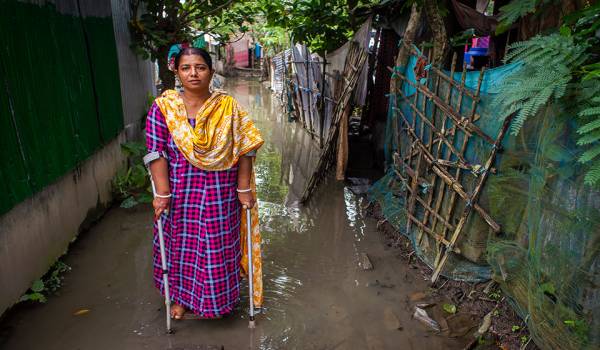
Women, youth and adolescent girls are among the principal groups engaged by EMPOWER II. The project also works with CSO leaders, persons with disabilities and transgender people living in climate-affected areas. A total of 500 beneficiaries are being enrolled under the project. The project recognizes that women often experience climate impacts differently and play a critical role in household water management, food production, livelihood decisions and community resilience. By involving women directly in identifying problems, preparing LAPAs and selecting adaptation technologies, EMPOWER II strengthens their participation in local climate decision-making.
Community Participation and Government Engagement
EMPOWER II promotes collaboration between communities, civil society and government institutions. An Upazila-level meeting was organized in Dacope on identifying climate-change-related problems and discussing the roles of government and non-government organizations in addressing these challenges. Such initiatives create opportunities for communities to raise their concerns and engage relevant institutions in developing practical responses to climate change.
From Local Problems to Local Solutions
The adaptation scheme selection process under EMPOWER II begins with the community. FGDs are organized at village level to understand local climate risks and the needs of target beneficiaries and Community-led Local Adaptation Plans of Action (LAPA) was devised
Appropriate technologies and interventions—such as RO systems for drinking water and Agri-ASR for agricultural water management at saline coastal zone (where both ground and surface water is saline) are then identified according to local conditions.
This approach ensures that adaptation interventions are not simply introduced from outside but are based on community priorities and local knowledge.
Looking Ahead
Coastal communities continue to face significant climate-related risks. EMPOWER II demonstrates that locally led adaptation, women’s leadership and appropriate technology can work together to build more resilient communities. ASDDW will continue to promote community-led climate adaptation, women’s empowerment, climate-resilient livelihoods, safe water solutions and sustainable agricultural water management in the coastal areas of Bangladesh.